Guides
What to Know About Skiing Aspen
Aspen is big in every sense of the word. The ski resort itself, Aspen Snowmass, spans four mountains and thousands of skiable acres, and the town of Aspen has grown into a year-round destination where there’s always something going on. Aspen has taken on a life of its own on social media, conjuring images of private jets, fur coats, and dinner checks that make your eyes water—but there’s so much more to it than what you see on Instagram.
Aspen is a far more approachable town than its outsize reputation suggests. Beneath the glamour is a small, walkable mountain town, a friendly local ski culture, and terrain for every ability. The trick is knowing where to begin: which mountain suits your group, how to get between them, and what’s worth planning ahead. Here’s how to arrive at 7,900 feet with a clear sense of where you’re headed.
The four mountains explained
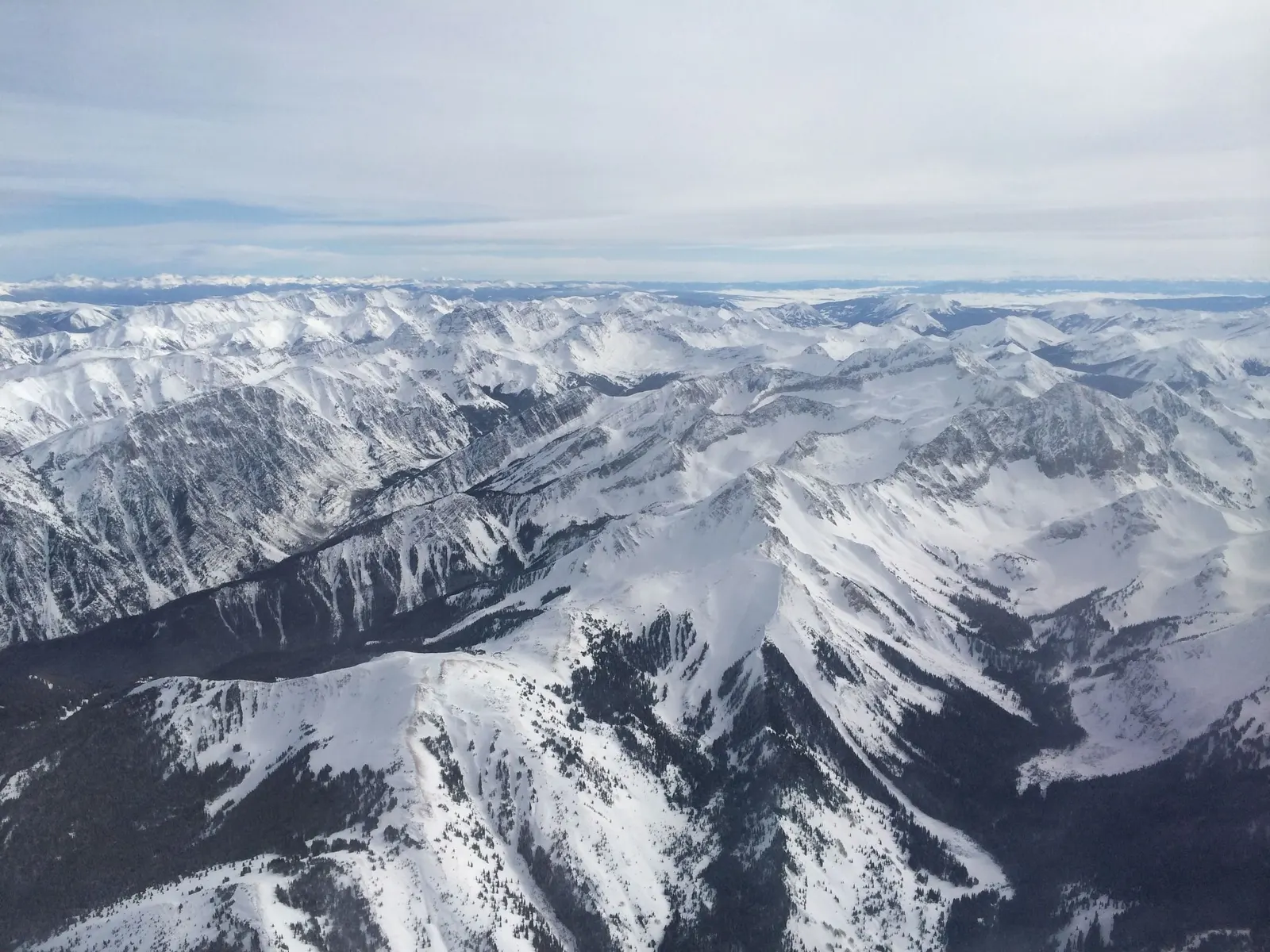
Together, the peaks of Aspen Snowmass cover more than 5,700 skiable acres, and every Aspen regular has their preferred mountain. One of the great advantages here is that a single Aspen Snowmass lift ticket gives you access to all four, so you aren’t locked into skiing the same terrain every day—making it easy to follow the weather, your ability level, or your appetite for a change of scenery.
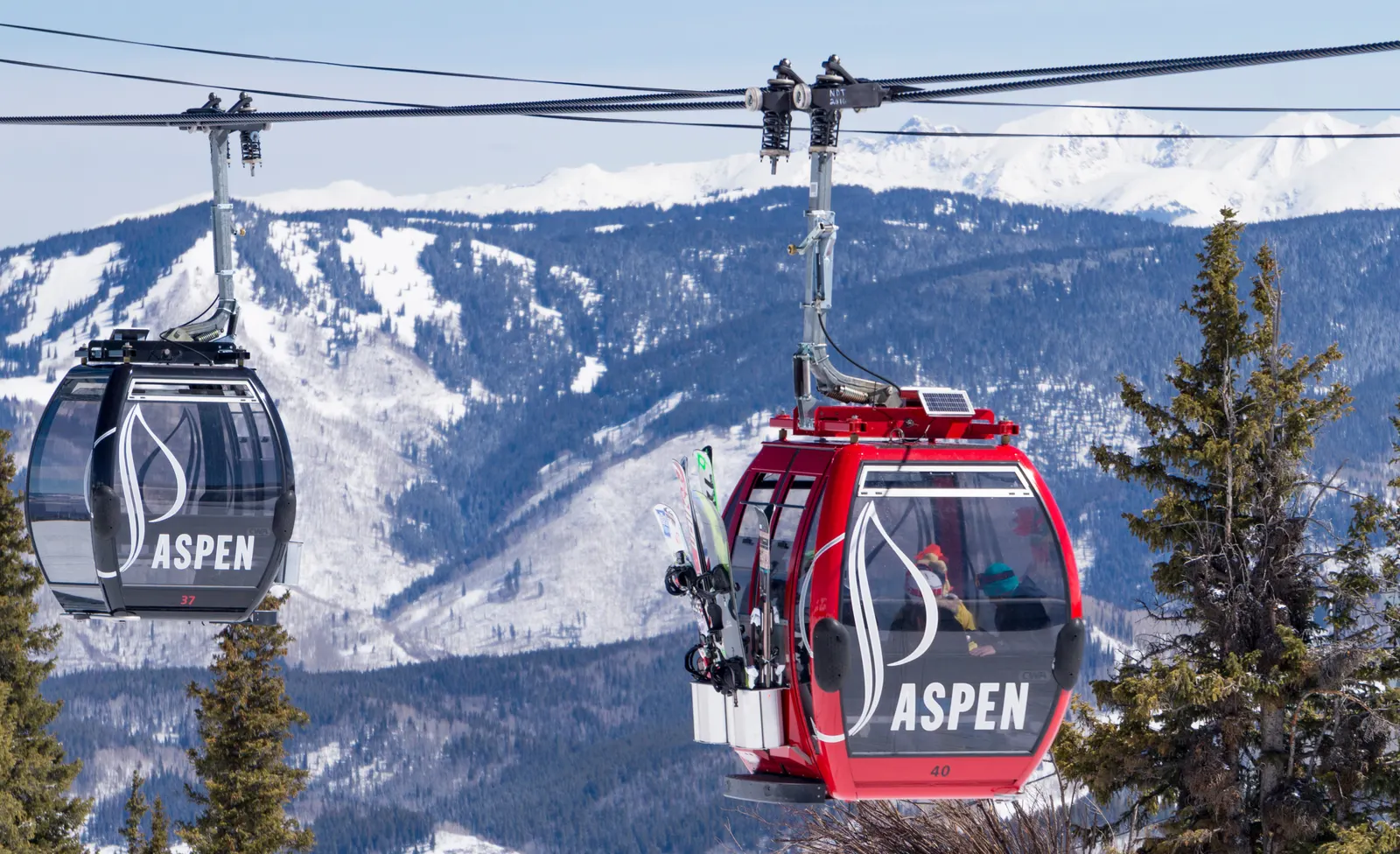
Aspen Mountain , also known as Ajax, rises straight out of downtown, where the Silver Queen Gondola loads in the main plaza. Keep in mind that while this is the iconic mountain that everyone thinks of when they think of “Aspen,” there’s no real beginner terrain for inexperienced skiers. Ajax is primarily filled with steep trails and some of the best bump skiing in the state, so confident intermediates will have plenty to enjoy. It’s also a wonderful mountain for people-watching: on a bluebird day, the gondola ride up and a long lunch outdoors at the Sundeck are as much a part of the Aspen experience as the skiing itself.
Aspen Highlands is a short shuttle ride from town and has a more relaxed, local feel. It’s best known for the Highland Bowl, a hike-to expert area with sweeping views of the Maroon Bells. It’s not where you want to warm-up, and the rest of the mountain offers excellent cruising and challenging steeps. If après-ski is your jam, plan lunch at Cloud Nine Alpine Bistro, where the afternoon champagne spray has become a tradition worth timing your day around.
Buttermilk is a beginner’s mountain. Its wide, forgiving slopes and easygoing atmosphere are great for first-timers and anyone looking for a low-stress lesson. It’s also home to a fantastic terrain park that hosts the Winter X Games. Even if you have no interest in catching air, don’t skip Buttermilk—its gentle runs are some of the most approachable in Colorado for getting your ski legs, and even advanced skiers like to spend a relaxed day here.
Snowmass is the largest of the four mountains—larger than the other three combined—with long intermediate runs, family-friendly learning terrain, and plenty of advanced skiing when you’re ready for it. Its purpose-built base village has ski-in, ski-out lodging, shops and restaurants, and it’s easy to spend several entire days here without getting bored. This is the crowd-pleaser mountain where most Aspen first-timers end up happiest. If your primary focus is skiing and less so the restaurants, events, and attractions of downtown Aspen, this is a great place to situate your group. There’s enough terrain here to fill an entire week.
Getting there and getting around
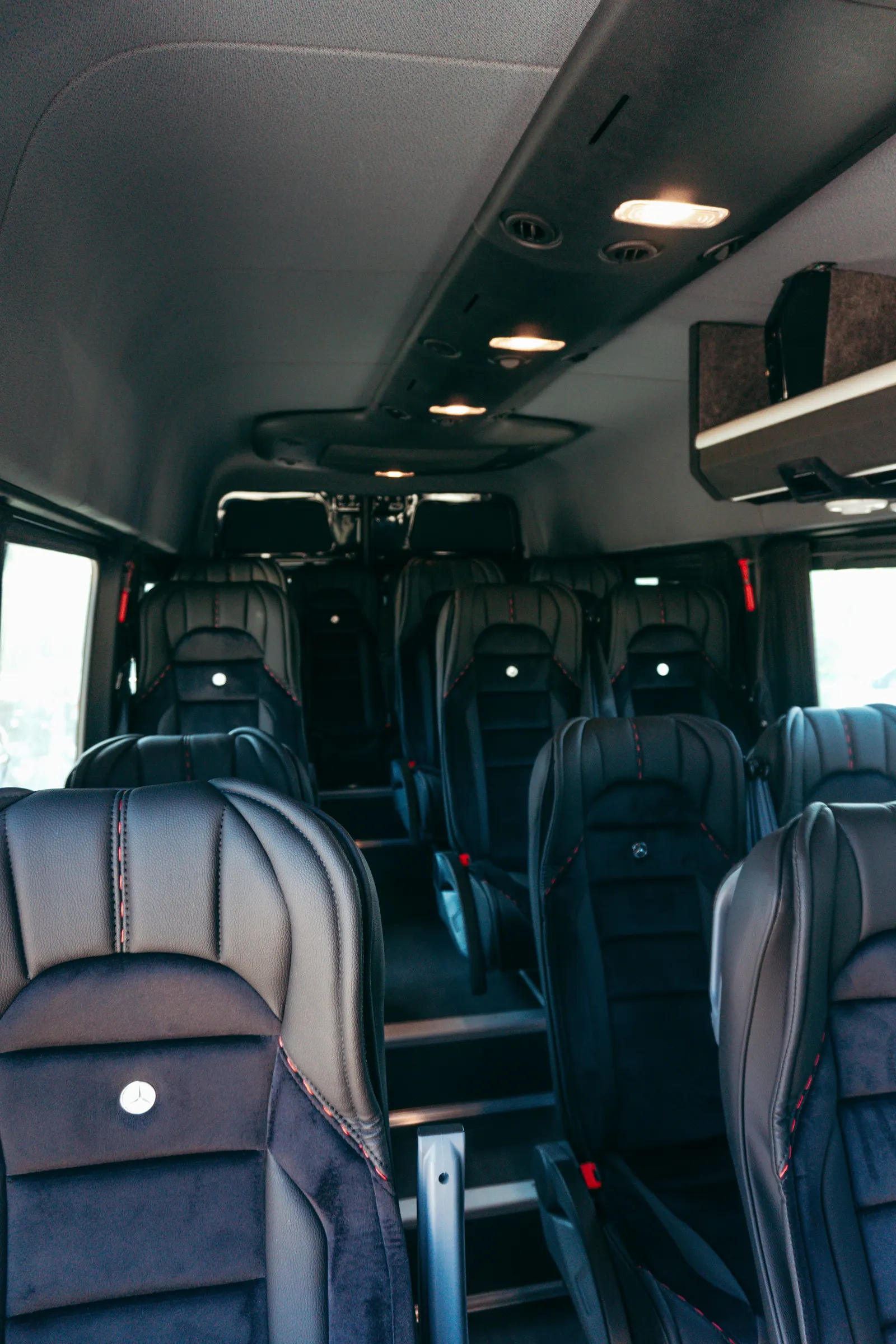
Aspen is served by its own small airport, which can be prone to weather delays. An important note if you’re planning late-season skiing before Aspen closes on April 18, 2027: Aspen/Pitkin County Airport will close completely to commercial and general aviation from April 4 through November 19, 2027 for a major runway reconstruction. If you’re flying in during that time, you’ll need to land at another airport. Many visitors fly into DEN, which is about a four-hour drive in good conditions, but it can take much longer in snowstorms. There are a number of private shuttles (Colorado Airport Express, Roaring Fork Express) where you can book to drive you from Denver to Aspen.
Once you’re in the valley, it’s easy to get around without a car. Free RFTA regional shuttles connect Aspen Mountain, Aspen Highlands, Snowmass and Buttermilk, and they run often enough that you don’t need to stress too much about schedules—the City of Aspen is a great resource for all the specifics. Parking at the base areas fills up quickly and can be expensive, so leave the car behind if you can.
The distinction between staying in Aspen proper and Snowmass Village is important when booking accommodations. Downtown Aspen puts you within walking distance of restaurants, galleries, shops, and the Silver Queen Gondola. It’s the best choice if you want the full après-ski-and-dinner experience and plan to spend time exploring town. Snowmass Village is more of a self-contained resort, with convenient slopeside lodging and a quieter evening atmosphere. Families, groups focused on skiing, and anyone who values being able to walk straight from their room to the lifts may prefer it. Neither is necessarily better; it comes down to whether the mountain or the town is your main attraction.
Lessons and getting your ski legs
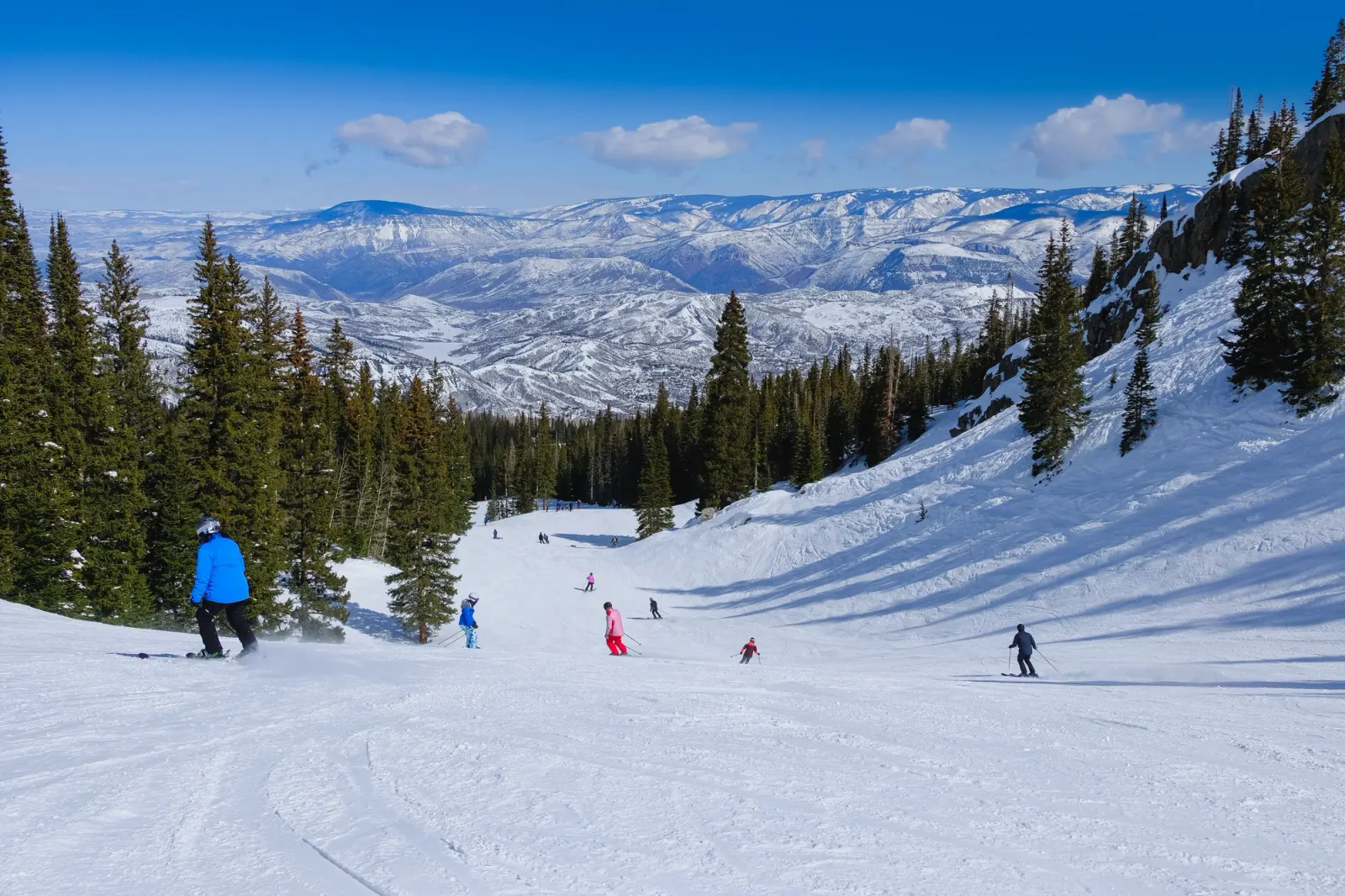
If you’re new to skiing or simply looking to brush up on your technique, don’t underestimate the value of a lesson. Aspen Snowmass has ski and snowboard schools across its mountains that offer group and private lessons for all ages and ability levels. Beginners should consider booking a lesson for their first morning rather than trying to teach themselves or relying on the most experienced person in their group. You’ll learn faster, build confidence, and avoid spending your first day frustrated on the wrong terrain. Each of Aspen Snowmass’s ski school locations is near a Four Mountain Sports rental shop, making it easy to pick up everything you need before hitting the slopes.

Beyond the slopes
Aspen is one of the rare ski destinations that’s just as appealing to non-skiers. The Aspen Art Museum is a standout, with rotating contemporary exhibitions and free admission. Its pedestrian-friendly downtown core is filled with boutiques, including high-end Western wear at Kemo Sabe, and Miller Sports for all your rental and ski gear needs.
For more time outdoors, Aspen’s Nordic network offers groomed tracks for cross-country skiing and snowshoeing. There are plenty of outfitters offering snowcat tours, fat biking, and other adventures (both guided and self-guided). For a true Colorado experience, hop on an RFTA bus to Glenwood Springs, about an hour away, to spend the day soaking in geothermal hot springs.
Dining is another huge draw of Aspen. Reserve ahead at Ajax Tavern, a classic lunch spot at the base of Aspen Mountain, or head to Meat & Cheese or 520 Grill, both low-key local favorites. Thanks to Aspen’s cosmopolitan crowd, you’ll find a great mix of international cuisines here, too, like Afro-Mediterranean fusion at Mawa's Kitchen or sushi at Matsuhisa. Have a drink at the J-Bar inside Hotel Jerome, which is an Aspen institution. And for a change of pace, consider a visit to the Wheeler Opera House, which hosts performances and cultural events throughout the year.
Practical considerations for first-timers in Aspen
Keep altitude in mind, especially if you’re coming from sea level. Aspen’s base sits around 7,900 feet, and the summits climb well above 11,000 feet. Drink more water than you think you need, go easy on the alcohol, and take the first day slowly. Headaches and fatigue are common, and it’s worth giving your body time to adjust. Don’t plan an ambitious day of skiing and a champagne-soaked après session on arrival day—a little restraint will make the rest of your trip considerably more enjoyable.
Know the calendar, too. The 2026-2027 season begins November 26, with Aspen Mountain and Snowmass scheduled to open first; Aspen Highlands and Buttermilk are scheduled to follow on December 12. Closing dates vary by mountain, with Aspen Mountain currently scheduled to stay open through April 18, 2027. Early-season visitors should check which lifts and trails are operating before making plans, since snow coverage and opening schedules can vary. The same applies in spring, when sunny afternoons and softer snow can make for wonderful skiing, but conditions change throughout the day.
If you’re skiing on a multi-mountain pass such as Ikon, be sure to confirm how many days of skiing your pass includes and whether any blackout dates apply during your trip. If you aren’t using a multi-mountain pass, buy your lift tickets in advance, since the ticket window prices are notoriously steep. Book lessons and rentals in advance, because appointments fill up quickly, especially on holidays and weekends. Aspen Snowmass offers advance-purchase discounts on lift tickets, so it pays to plan ahead.
Dress in layers, since mornings start cold and afternoons can be warm, especially later in the season. Sunscreen and good goggles are a must: the Colorado sun is strong at altitude, and the glare off the snow can be intense.
Most of all, resist the urge to ski all four mountains in a single trip. Aspen is the kind of place that is best savored slowly, and you can always save different areas for your next visit. Come for the skiing, come for the scene, come for the history—but leave enough for next time. You’ll be back.
Explore other itineraries
Guides
What to Know About Skiing Aspen
Aspen is big in every sense of the word. The ski resort itself, Aspen Snowmass, spans four mountains and thousands of skiable acres, and the town of Aspen has grown into a year-round destination where there’s always something going on. Aspen has taken on a life of its own on social media, conjuring images of private jets, fur coats, and dinner checks that make your eyes water—but there’s so much more to it than what you see on Instagram.
Aspen is a far more approachable town than its outsize reputation suggests. Beneath the glamour is a small, walkable mountain town, a friendly local ski culture, and terrain for every ability. The trick is knowing where to begin: which mountain suits your group, how to get between them, and what’s worth planning ahead. Here’s how to arrive at 7,900 feet with a clear sense of where you’re headed.
The four mountains explained
Together, the peaks of Aspen Snowmass cover more than 5,700 skiable acres, and every Aspen regular has their preferred mountain. One of the great advantages here is that a single Aspen Snowmass lift ticket gives you access to all four, so you aren’t locked into skiing the same terrain every day—making it easy to follow the weather, your ability level, or your appetite for a change of scenery.
Aspen Mountain , also known as Ajax, rises straight out of downtown, where the Silver Queen Gondola loads in the main plaza. Keep in mind that while this is the iconic mountain that everyone thinks of when they think of “Aspen,” there’s no real beginner terrain for inexperienced skiers. Ajax is primarily filled with steep trails and some of the best bump skiing in the state, so confident intermediates will have plenty to enjoy. It’s also a wonderful mountain for people-watching: on a bluebird day, the gondola ride up and a long lunch outdoors at the Sundeck are as much a part of the Aspen experience as the skiing itself.
Aspen Highlands is a short shuttle ride from town and has a more relaxed, local feel. It’s best known for the Highland Bowl, a hike-to expert area with sweeping views of the Maroon Bells. It’s not where you want to warm-up, and the rest of the mountain offers excellent cruising and challenging steeps. If après-ski is your jam, plan lunch at Cloud Nine Alpine Bistro, where the afternoon champagne spray has become a tradition worth timing your day around.
Buttermilk is a beginner’s mountain. Its wide, forgiving slopes and easygoing atmosphere are great for first-timers and anyone looking for a low-stress lesson. It’s also home to a fantastic terrain park that hosts the Winter X Games. Even if you have no interest in catching air, don’t skip Buttermilk—its gentle runs are some of the most approachable in Colorado for getting your ski legs, and even advanced skiers like to spend a relaxed day here.
Snowmass is the largest of the four mountains—larger than the other three combined—with long intermediate runs, family-friendly learning terrain, and plenty of advanced skiing when you’re ready for it. Its purpose-built base village has ski-in, ski-out lodging, shops and restaurants, and it’s easy to spend several entire days here without getting bored. This is the crowd-pleaser mountain where most Aspen first-timers end up happiest. If your primary focus is skiing and less so the restaurants, events, and attractions of downtown Aspen, this is a great place to situate your group. There’s enough terrain here to fill an entire week.
Getting there and getting around
Aspen is served by its own small airport, which can be prone to weather delays. An important note if you’re planning late-season skiing before Aspen closes on April 18, 2027: Aspen/Pitkin County Airport will close completely to commercial and general aviation from April 4 through November 19, 2027 for a major runway reconstruction. If you’re flying in during that time, you’ll need to land at another airport. Many visitors fly into DEN, which is about a four-hour drive in good conditions, but it can take much longer in snowstorms. There are a number of private shuttles (Colorado Airport Express, Roaring Fork Express) where you can book to drive you from Denver to Aspen.
Once you’re in the valley, it’s easy to get around without a car. Free RFTA regional shuttles connect Aspen Mountain, Aspen Highlands, Snowmass and Buttermilk, and they run often enough that you don’t need to stress too much about schedules—the City of Aspen is a great resource for all the specifics. Parking at the base areas fills up quickly and can be expensive, so leave the car behind if you can.
The distinction between staying in Aspen proper and Snowmass Village is important when booking accommodations. Downtown Aspen puts you within walking distance of restaurants, galleries, shops, and the Silver Queen Gondola. It’s the best choice if you want the full après-ski-and-dinner experience and plan to spend time exploring town. Snowmass Village is more of a self-contained resort, with convenient slopeside lodging and a quieter evening atmosphere. Families, groups focused on skiing, and anyone who values being able to walk straight from their room to the lifts may prefer it. Neither is necessarily better; it comes down to whether the mountain or the town is your main attraction.
Lessons and getting your ski legs
If you’re new to skiing or simply looking to brush up on your technique, don’t underestimate the value of a lesson. Aspen Snowmass has ski and snowboard schools across its mountains that offer group and private lessons for all ages and ability levels. Beginners should consider booking a lesson for their first morning rather than trying to teach themselves or relying on the most experienced person in their group. You’ll learn faster, build confidence, and avoid spending your first day frustrated on the wrong terrain. Each of Aspen Snowmass’s ski school locations is near a Four Mountain Sports rental shop, making it easy to pick up everything you need before hitting the slopes.
Beyond the slopes
Aspen is one of the rare ski destinations that’s just as appealing to non-skiers. The Aspen Art Museum is a standout, with rotating contemporary exhibitions and free admission. Its pedestrian-friendly downtown core is filled with boutiques, including high-end Western wear at Kemo Sabe, and Miller Sports for all your rental and ski gear needs.
For more time outdoors, Aspen’s Nordic network offers groomed tracks for cross-country skiing and snowshoeing. There are plenty of outfitters offering snowcat tours, fat biking, and other adventures (both guided and self-guided). For a true Colorado experience, hop on an RFTA bus to Glenwood Springs, about an hour away, to spend the day soaking in geothermal hot springs.
Dining is another huge draw of Aspen. Reserve ahead at Ajax Tavern, a classic lunch spot at the base of Aspen Mountain, or head to Meat & Cheese or 520 Grill, both low-key local favorites. Thanks to Aspen’s cosmopolitan crowd, you’ll find a great mix of international cuisines here, too, like Afro-Mediterranean fusion at Mawa's Kitchen or sushi at Matsuhisa. Have a drink at the J-Bar inside Hotel Jerome, which is an Aspen institution. And for a change of pace, consider a visit to the Wheeler Opera House, which hosts performances and cultural events throughout the year.
Practical considerations for first-timers in Aspen
Keep altitude in mind, especially if you’re coming from sea level. Aspen’s base sits around 7,900 feet, and the summits climb well above 11,000 feet. Drink more water than you think you need, go easy on the alcohol, and take the first day slowly. Headaches and fatigue are common, and it’s worth giving your body time to adjust. Don’t plan an ambitious day of skiing and a champagne-soaked après session on arrival day—a little restraint will make the rest of your trip considerably more enjoyable.
Know the calendar, too. The 2026-2027 season begins November 26, with Aspen Mountain and Snowmass scheduled to open first; Aspen Highlands and Buttermilk are scheduled to follow on December 12. Closing dates vary by mountain, with Aspen Mountain currently scheduled to stay open through April 18, 2027. Early-season visitors should check which lifts and trails are operating before making plans, since snow coverage and opening schedules can vary. The same applies in spring, when sunny afternoons and softer snow can make for wonderful skiing, but conditions change throughout the day.
If you’re skiing on a multi-mountain pass such as Ikon, be sure to confirm how many days of skiing your pass includes and whether any blackout dates apply during your trip. If you aren’t using a multi-mountain pass, buy your lift tickets in advance, since the ticket window prices are notoriously steep. Book lessons and rentals in advance, because appointments fill up quickly, especially on holidays and weekends. Aspen Snowmass offers advance-purchase discounts on lift tickets, so it pays to plan ahead.
Dress in layers, since mornings start cold and afternoons can be warm, especially later in the season. Sunscreen and good goggles are a must: the Colorado sun is strong at altitude, and the glare off the snow can be intense.
Most of all, resist the urge to ski all four mountains in a single trip. Aspen is the kind of place that is best savored slowly, and you can always save different areas for your next visit. Come for the skiing, come for the scene, come for the history—but leave enough for next time. You’ll be back.
Explore other itineraries