Intel
How to Rent Ski Gear Like a Local
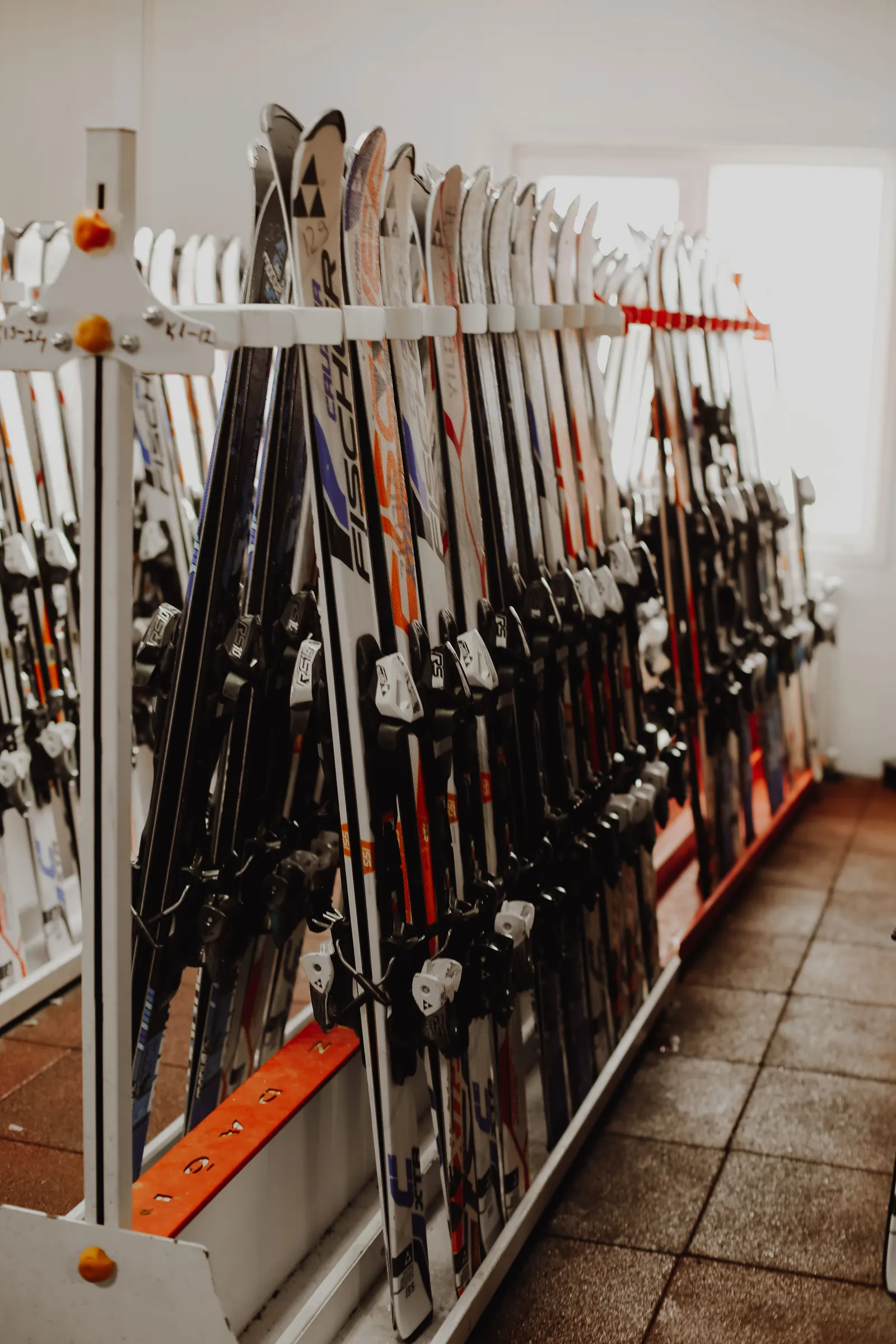
It’s 7:30 on a Friday night in February in Mammoth. The line snakes out of the rental shop, someone’s kid is melting down, and a tech who has fit 200 pairs of boots since sunrise hands you a size 29.5, cranks the buckles, and hands you over to a ski tech with eyes glazed over after a thousand binding adjustments. Ten minutes later, you’re spit out the other side of the corral with skis that are too short, boots that are too big, and a nagging feeling in your shin that will turn into a full-blown bruise by lunchtime tomorrow.
I’ve watched this scene play out a thousand times, and I get it: on busy weekends, rental shops are doing triage. But bad rental equipment can wreck a trip faster than a week of rain. Boots that hurt will cut your days short, and gear that doesn’t match your skill level will hold you back or scare you.
The good news is that you have more control than you think. Here’s what to know before you walk into a rental shop in.
Before you go: Beat the corral
Most rental frustration comes down to timing and information asymmetry. Fix both and you’re off to the races.
Pick up the day before. This is the single best rental hack in town. Most shops will let you grab your gear the afternoon before your ski day, when the shop is calm and the techs have time to actually listen to you. An important distinction: afternoon, not evening. By 6pm, the lines are just as bad as they will be the next morning, so get there early if you can. And if you have to go the morning of, budget at least an hour before you want to be on snow. Trust me, that hour goes fast.
Want to skip the line entirely? Concierge services like Ski Butlers and Black Tie will deliver your gear to your condo, fit you there, and come back to swap anything that isn’t working. For families, that convenience is hard to beat. The trade-off is fit. A tech in your living room has a limited boot selection, so you’re much less likely to get a properly dialed boot. If your feet are at all tricky, go to the shop.
Know your numbers, and be honest. Techs use your height, weight, and age along with your ability level to set your binding release values, so shaving off ten pounds or calling yourself an expert when you’re a solid intermediate can mean bindings that don’t release when they should. Be specific: “I’m comfortable on most blues and starting to try easy blacks” beats “intermediate” every time.
Wear the right socks. One pair of thin wool-blend ski socks. Not cotton, not two pairs, not the thick wool hiking socks your uncle swears by. Thin socks let the boot fit the way it’s supposed to and keep your feet warmer, not colder. Wear them to the fitting.
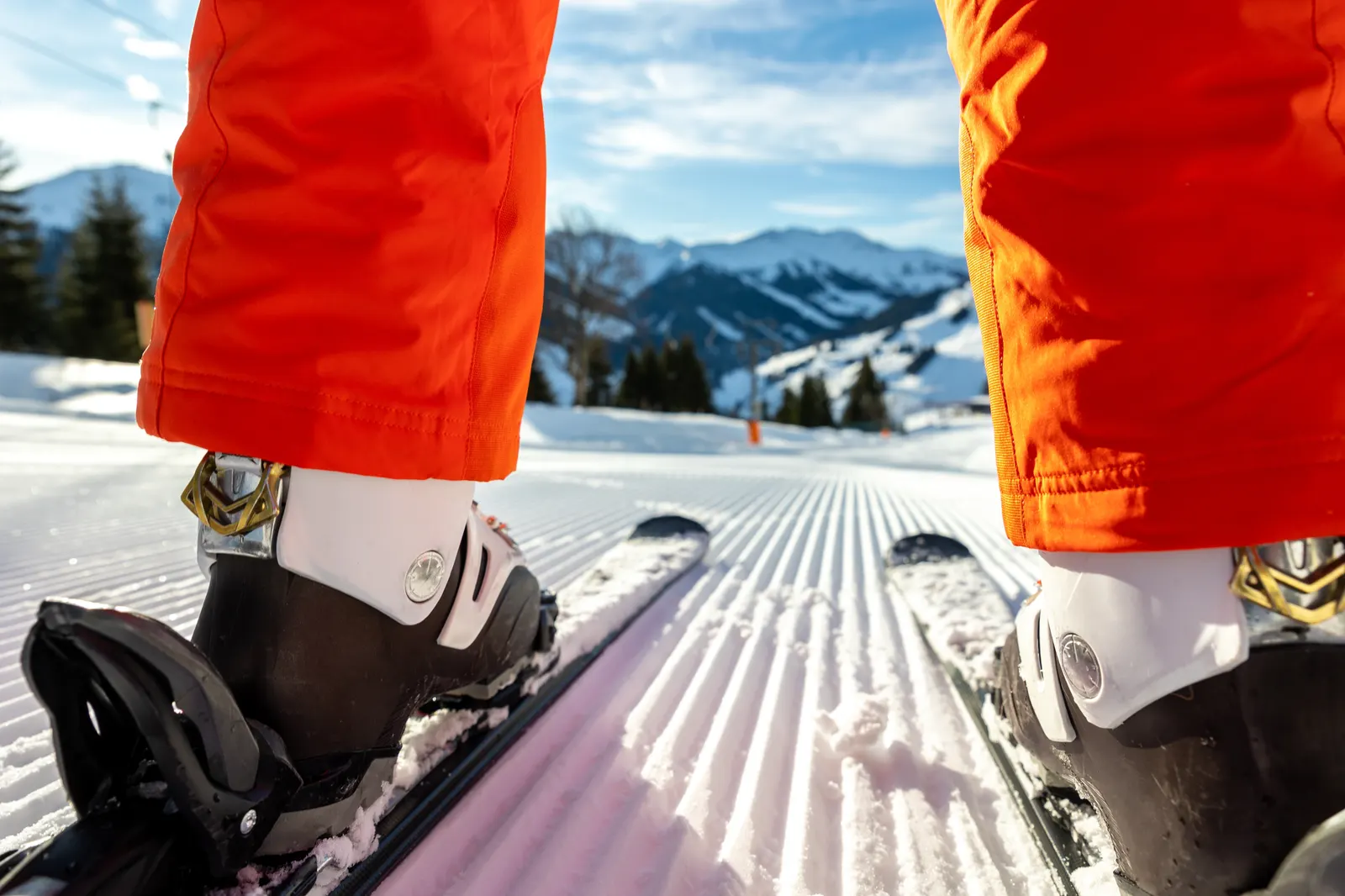
Tuck nothing into the boot. Long underwear and pant cuffs stay above the boot cuff. Anything bunched up inside will create a pressure point on your very first run.
Boot fit: The part that actually matters
If you remember one thing from this story, it should be this: your boots matter more than your skis. Boots are how every movement of your body hits the snow. A great ski with a sloppy boot skis badly. A mediocre ski with a well-fitting boot skis just fine.
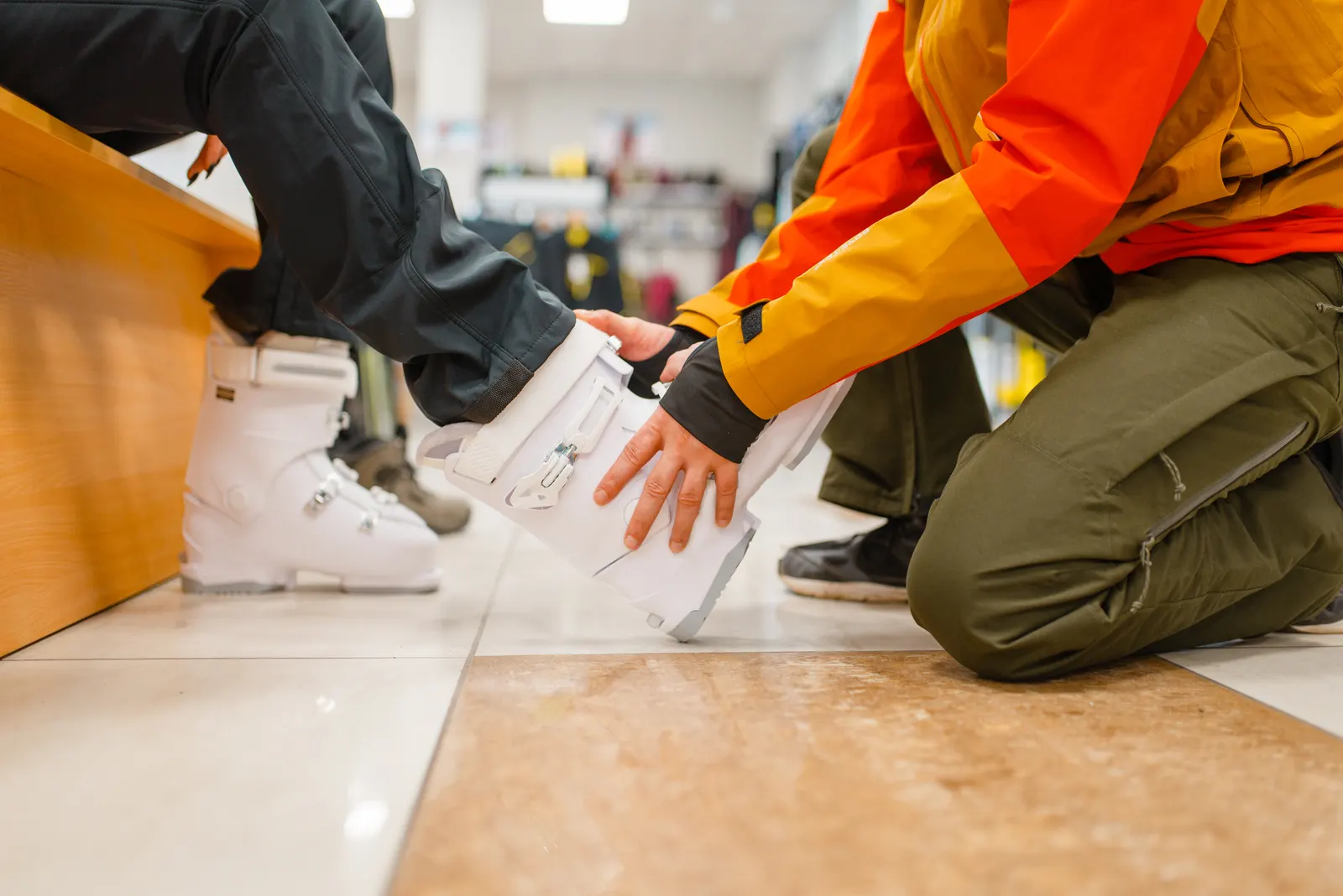
Snug is right. Comfortable like a sneaker is wrong. The most common rental mistake is asking for a bigger boot because the first one felt tight. A ski boot should feel like a firm handshake around your whole foot. Standing straight, your toes should lightly brush the front. Flexed forward into a skiing stance, your heel should settle into the pocket and your toes should pull slightly off the end. If you can wiggle your toes freely standing upright, the boot is probably too big.
Heel hold is everything. Flex forward hard in the boot. Your heel should fit snugly in the back. Heel lift is what causes blisters, cramped toes (from clawing for control), and that vague, wobbly feeling on the hill. If you wiggle to try to move your heel, it’ll always lift, so just note whether or not it feels secure while flexing.
Watch for the bad kinds of pressure. Even, snug pressure across the whole foot is good. Sharp, focused pain is not. Speak up if you feel pinching on the sides of your forefoot, pressure on the top of your instep, or a hot spot on your ankle bones. A tech can often swap you into a different model with a wider or narrower shape rather than just a bigger size.
Buckle it right. Start with the ankle buckle, then work outward. Close the toe buckles softly without cranking them, then snug the power strap. Your boot should feel tight without any pressure over the top of your foot. Over-tightened toe buckles cut off circulation, and most people blame cold feet on boots that are too small.
Take your time, and know you can go back. Stand in the boots for ten minutes and walk around before you decide. And if they hurt after a couple of runs, go back to the shop for an adjustment or a swap. Every good shop expects it. Shin bang, numb toes, or a burning arch aren’t things to tough out.
Rent for your goals, not your ego
Most shops in town sort gear into three tiers: standard, performance, and demo. The trick is matching the tier to what you actually want out of the trip.
First-timers and never-evers. Standard rentals are made for you: softer, shorter, and forgiving. Ask for skis around chin height, and don’t let anyone talk you into something longer “to grow into.” Spend the extra money on a lesson instead. It’ll do far more for your week than fancier skis.
Returning skiers and cautious intermediates. If you ski once or twice a year and spend most of your time on greens and blues, standard gear still works, but this is where a performance package starts to pay off. Performance skis hold an edge better on firm morning groomers and feel more stable as you pick up speed, usually for only a few dollars more a day.
Confident intermediates chasing progress. If your goal this trip is your first black diamond, your first bumps, or your first trip into the trees off Cloud Nine, go performance at minimum. A ski that’s a bit stiffer and closer to your height gives you something to push against. Ask for a mid-width, all-mountain ski that can handle groomers and a little leftover powder.
Advanced and expert skiers. Demo, don’t rent. Standard skis will hold you back on steeps, and demo counters tend to have the more experienced techs. If you own boots that fit, bring them and demo skis only. Your own well-fitted boots will beat any rental boot.
Kids. Fit matters even more for little feet because kids rarely tell you what’s wrong until they’re crying. Check their boots yourself using a shell fit, and make sure nothing is bunched inside. A kid with comfortable boots skis all day; a kid with bad ones is done by 9:30.
Snowboarders. Same rules for boots: snug, with almost no heel lift. Beginners and park riders can go for shorter and softer boards; anyone headed for Chair 23 should size up a bit. Tell the tech whether you ride regular or goofy before they set your bindings.
Shopping for your own setup?
Demo like you mean it
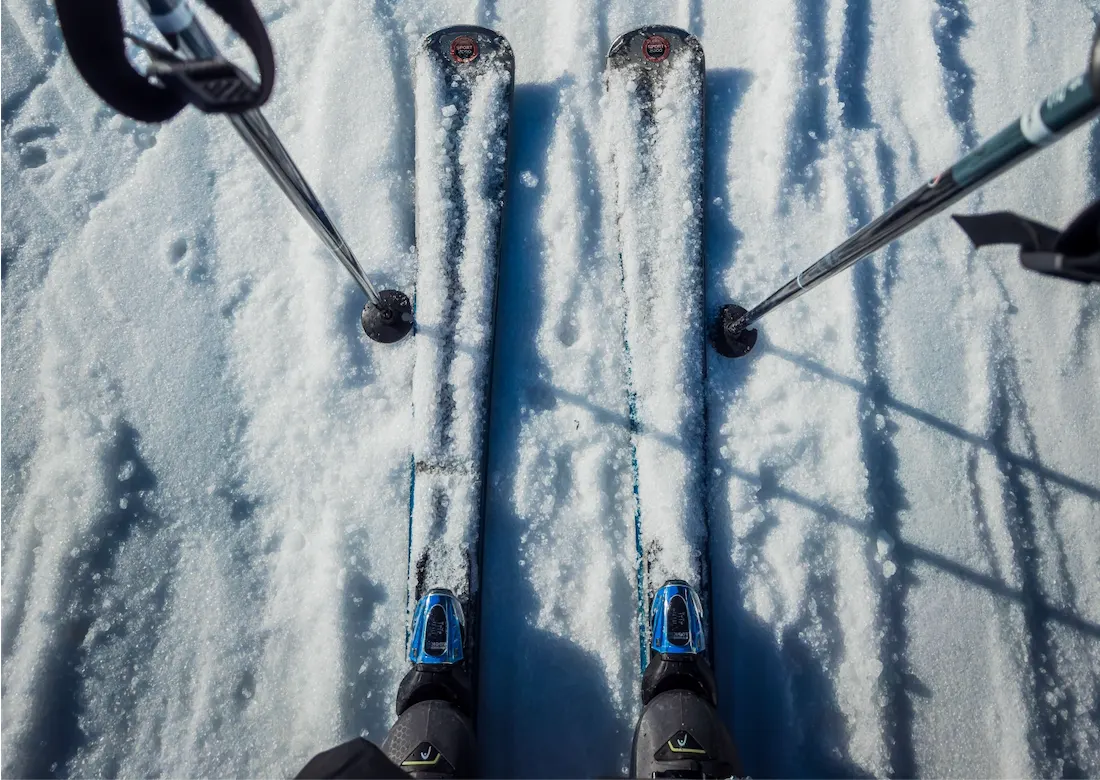
If you’re skiing ten or more days a season, owning your own gear starts to make sense. But buying skis off a wall or a website is a gamble. Demoing is how you take the guesswork out, and with Mammoth’s mix of firm groomers, wind buff, steeps, and storm-day trees, it’s a great place to put a ski through its paces.
Mammoth is lucky here. Two shops in town have boot-fitting reputations that reach well beyond the Eastern Sierra. Footloose Sports on Main Street started in 1979 as a 400-square-foot shop opened by legendary ski boot designer Sven Coomer, and ski boots are still the heart of the place. Kittredge Sports, also on Main, is part of the America’s Best Bootfitters network and runs custom fitting alongside its rentals and demos.
Start with boots. If you’re going to own one thing, own boots, and buy them from a real boot fitter, not a website. This is where Footloose and Kittredge really earn their keep. Both will assess your feet, match you to a shell that suits your anatomy, and then customize it if necessary with heat molding, footbeds, and shell work. Both shops run a demo program for boots, so you can try a model on the hill before you commit. Once your boots fit, every ski you demo will tell you something real.
Swap during the day. Ski one pair for a couple of hours, then swap and ski the same runs on the next. Same terrain, same conditions is the only fair test. This is where Mammoth Mountain’s own demo shops have a real edge: they’re slopeside at the base lodges, so you can click out, grab the next pair, and be back on the chair in minutes instead of driving to town and back.
Test in different conditions. A ski that feels amazing on a soft afternoon groomer might not bite on scraped off snow or feel bogged down in chop. If you can, demo the same model on two different days.
The bottom line
You don’t have to be a cog in the rental machine. Pick up the day before, show up with thin socks and honest answers, and treat the boot fitting like the most important ten minutes of your trip. Rent for what you want to accomplish, not what sounds impressive. And if you’re thinking about buying, let a good boot fitter and a few demo days do the homework for you.
The techs behind those counters are mostly skiers and riders who moved to town for the same reason you came to visit. Give them a little time and good information, and they’ll set you up right.
Explore other itineraries
Intel
How to Rent Ski Gear Like a Local
It’s 7:30 on a Friday night in February in Mammoth. The line snakes out of the rental shop, someone’s kid is melting down, and a tech who has fit 200 pairs of boots since sunrise hands you a size 29.5, cranks the buckles, and hands you over to a ski tech with eyes glazed over after a thousand binding adjustments. Ten minutes later, you’re spit out the other side of the corral with skis that are too short, boots that are too big, and a nagging feeling in your shin that will turn into a full-blown bruise by lunchtime tomorrow.
I’ve watched this scene play out a thousand times, and I get it: on busy weekends, rental shops are doing triage. But bad rental equipment can wreck a trip faster than a week of rain. Boots that hurt will cut your days short, and gear that doesn’t match your skill level will hold you back or scare you.
The good news is that you have more control than you think. Here’s what to know before you walk into a rental shop in.
Before you go: Beat the corral
Most rental frustration comes down to timing and information asymmetry. Fix both and you’re off to the races.
Pick up the day before. This is the single best rental hack in town. Most shops will let you grab your gear the afternoon before your ski day, when the shop is calm and the techs have time to actually listen to you. An important distinction: afternoon, not evening. By 6pm, the lines are just as bad as they will be the next morning, so get there early if you can. And if you have to go the morning of, budget at least an hour before you want to be on snow. Trust me, that hour goes fast.
Want to skip the line entirely? Concierge services like Ski Butlers and Black Tie will deliver your gear to your condo, fit you there, and come back to swap anything that isn’t working. For families, that convenience is hard to beat. The trade-off is fit. A tech in your living room has a limited boot selection, so you’re much less likely to get a properly dialed boot. If your feet are at all tricky, go to the shop.
Know your numbers, and be honest. Techs use your height, weight, and age along with your ability level to set your binding release values, so shaving off ten pounds or calling yourself an expert when you’re a solid intermediate can mean bindings that don’t release when they should. Be specific: “I’m comfortable on most blues and starting to try easy blacks” beats “intermediate” every time.
Wear the right socks. One pair of thin wool-blend ski socks. Not cotton, not two pairs, not the thick wool hiking socks your uncle swears by. Thin socks let the boot fit the way it’s supposed to and keep your feet warmer, not colder. Wear them to the fitting.
Tuck nothing into the boot. Long underwear and pant cuffs stay above the boot cuff. Anything bunched up inside will create a pressure point on your very first run.
Boot fit: The part that actually matters
If you remember one thing from this story, it should be this: your boots matter more than your skis. Boots are how every movement of your body hits the snow. A great ski with a sloppy boot skis badly. A mediocre ski with a well-fitting boot skis just fine.
Snug is right. Comfortable like a sneaker is wrong. The most common rental mistake is asking for a bigger boot because the first one felt tight. A ski boot should feel like a firm handshake around your whole foot. Standing straight, your toes should lightly brush the front. Flexed forward into a skiing stance, your heel should settle into the pocket and your toes should pull slightly off the end. If you can wiggle your toes freely standing upright, the boot is probably too big.
Heel hold is everything. Flex forward hard in the boot. Your heel should fit snugly in the back. Heel lift is what causes blisters, cramped toes (from clawing for control), and that vague, wobbly feeling on the hill. If you wiggle to try to move your heel, it’ll always lift, so just note whether or not it feels secure while flexing.
Watch for the bad kinds of pressure. Even, snug pressure across the whole foot is good. Sharp, focused pain is not. Speak up if you feel pinching on the sides of your forefoot, pressure on the top of your instep, or a hot spot on your ankle bones. A tech can often swap you into a different model with a wider or narrower shape rather than just a bigger size.
Buckle it right. Start with the ankle buckle, then work outward. Close the toe buckles softly without cranking them, then snug the power strap. Your boot should feel tight without any pressure over the top of your foot. Over-tightened toe buckles cut off circulation, and most people blame cold feet on boots that are too small.
Take your time, and know you can go back. Stand in the boots for ten minutes and walk around before you decide. And if they hurt after a couple of runs, go back to the shop for an adjustment or a swap. Every good shop expects it. Shin bang, numb toes, or a burning arch aren’t things to tough out.
Rent for your goals, not your ego
Most shops in town sort gear into three tiers: standard, performance, and demo. The trick is matching the tier to what you actually want out of the trip.
First-timers and never-evers. Standard rentals are made for you: softer, shorter, and forgiving. Ask for skis around chin height, and don’t let anyone talk you into something longer “to grow into.” Spend the extra money on a lesson instead. It’ll do far more for your week than fancier skis.
Returning skiers and cautious intermediates. If you ski once or twice a year and spend most of your time on greens and blues, standard gear still works, but this is where a performance package starts to pay off. Performance skis hold an edge better on firm morning groomers and feel more stable as you pick up speed, usually for only a few dollars more a day.
Confident intermediates chasing progress. If your goal this trip is your first black diamond, your first bumps, or your first trip into the trees off Cloud Nine, go performance at minimum. A ski that’s a bit stiffer and closer to your height gives you something to push against. Ask for a mid-width, all-mountain ski that can handle groomers and a little leftover powder.
Advanced and expert skiers. Demo, don’t rent. Standard skis will hold you back on steeps, and demo counters tend to have the more experienced techs. If you own boots that fit, bring them and demo skis only. Your own well-fitted boots will beat any rental boot.
Kids. Fit matters even more for little feet because kids rarely tell you what’s wrong until they’re crying. Check their boots yourself using a shell fit, and make sure nothing is bunched inside. A kid with comfortable boots skis all day; a kid with bad ones is done by 9:30.
Snowboarders. Same rules for boots: snug, with almost no heel lift. Beginners and park riders can go for shorter and softer boards; anyone headed for Chair 23 should size up a bit. Tell the tech whether you ride regular or goofy before they set your bindings.
Shopping for your own setup?
Demo like you mean it
If you’re skiing ten or more days a season, owning your own gear starts to make sense. But buying skis off a wall or a website is a gamble. Demoing is how you take the guesswork out, and with Mammoth’s mix of firm groomers, wind buff, steeps, and storm-day trees, it’s a great place to put a ski through its paces.
Mammoth is lucky here. Two shops in town have boot-fitting reputations that reach well beyond the Eastern Sierra. Footloose Sports on Main Street started in 1979 as a 400-square-foot shop opened by legendary ski boot designer Sven Coomer, and ski boots are still the heart of the place. Kittredge Sports, also on Main, is part of the America’s Best Bootfitters network and runs custom fitting alongside its rentals and demos.
Start with boots. If you’re going to own one thing, own boots, and buy them from a real boot fitter, not a website. This is where Footloose and Kittredge really earn their keep. Both will assess your feet, match you to a shell that suits your anatomy, and then customize it if necessary with heat molding, footbeds, and shell work. Both shops run a demo program for boots, so you can try a model on the hill before you commit. Once your boots fit, every ski you demo will tell you something real.
Swap during the day. Ski one pair for a couple of hours, then swap and ski the same runs on the next. Same terrain, same conditions is the only fair test. This is where Mammoth Mountain’s own demo shops have a real edge: they’re slopeside at the base lodges, so you can click out, grab the next pair, and be back on the chair in minutes instead of driving to town and back.
Test in different conditions. A ski that feels amazing on a soft afternoon groomer might not bite on scraped off snow or feel bogged down in chop. If you can, demo the same model on two different days.
The bottom line
You don’t have to be a cog in the rental machine. Pick up the day before, show up with thin socks and honest answers, and treat the boot fitting like the most important ten minutes of your trip. Rent for what you want to accomplish, not what sounds impressive. And if you’re thinking about buying, let a good boot fitter and a few demo days do the homework for you.
The techs behind those counters are mostly skiers and riders who moved to town for the same reason you came to visit. Give them a little time and good information, and they’ll set you up right.
Explore other itineraries